
Brain and Meditation
Meditation and Brain Plasticity
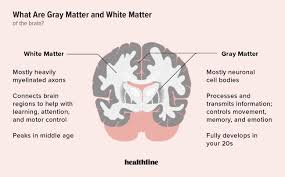
Over the past two decades, neuroscience research has shown that meditation can physically change the structure and function of the brain, a concept known as neuroplasticity. This is the brain’s ability to reorganize and form new neural connections throughout life.
Gray Matter Growth and Memory (Lazar et al., 2005)
A study by Lazar et al. (2005) used MRI brain imaging to compare long-term meditators with non-meditators. The researchers found increased gray matter density in the hippocampus, a region of the brain associated with:
Learning
Memory
Emotional regulation
Self-awareness
This is particularly significant because the hippocampus is also vulnerable to stress and aging. Chronic stress has been shown to shrink this region, while meditation appears to support its growth and resilience. This suggests that meditation may not only improve memory and learning but also protect the brain from stress-related decline.
Increased Cortical Thickness and Emotional Regulation (Hölzel et al., 2011)
Building on earlier findings, Hölzel et al. (2011) examined participants before and after an 8-week mindfulness meditation program. The results showed increased cortical thickness in several key brain areas, including regions responsible for:
Attention and focus
Emotional regulation
Self-awareness
Compassion and empathy
Interestingly, the study also found decreased gray matter in the amygdala, the brain’s fear and stress center. This suggests meditation may help reduce emotional reactivity and improve the ability to respond calmly rather than react automatically.
These findings help explain why people often report:
Feeling calmer
Thinking more clearly
Being less reactive
Having improved emotional resilience
White Matter Integrity and Cognitive Flexibility (Tang et al., 2015)
Further research by Tang et al. (2015) explored how meditation affects white matter, the brain’s communication pathways. White matter connects different regions of the brain, allowing them to communicate efficiently.
The study found that meditation enhanced white matter integrity, particularly in areas involved in:
Decision making
Emotional regulation
Attention
Self-control
Improved white matter integrity supports better neural connectivity, which can lead to:
Greater cognitive flexibility
Improved problem-solving
Better emotional balance
Enhanced resilience to stress
What This Means
Together, these studies suggest that meditation doesn't just help you feel calmer, it actually changes the brain in ways that support:
Learning and memory
Emotional regulation
Focus and attention
Stress resilience
Cognitive flexibility
Healthy aging
Even more encouraging, some of these changes were observed after just 8 weeks of practice, showing that the brain is highly adaptable and responsive.
Why This Matters
This research helps explain why meditation is increasingly used in:
Healthcare settings
Mental health therapy
Stroke recovery programs
Anxiety and stress management
Brain health and aging programs
Meditation becomes not just a relaxation tool, but a brain training practice,
one that supports both mental and emotional wellbeing.


