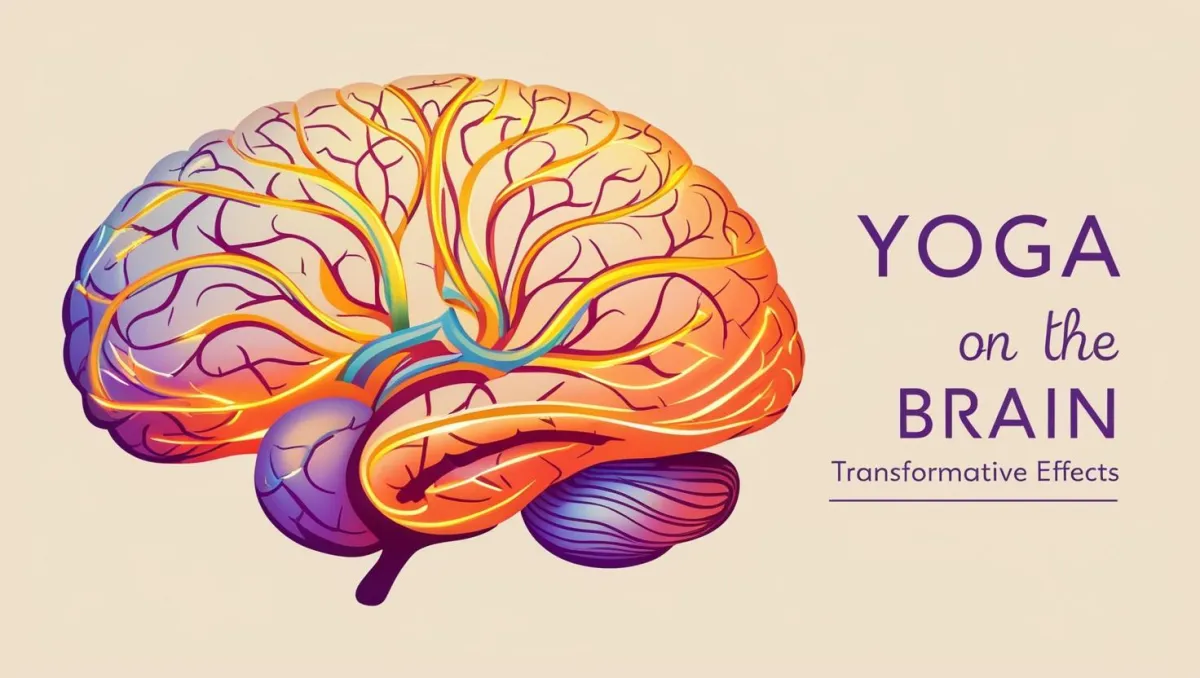
Yoga Effects of Brain Health
A Systematic Review on the Current Literature
The Neuroscience and Yoga Conference recently sent out a newsletter with a Research Study, here is the breakdown & key takeaways.
Population
Healthy adults across the lifespan included in 11 neuroimaging studies from 2009 to 2019
Both novice and experienced yoga practitioners
Older adults (including those at risk of age-related cognitive decline)
Intervention
Interventions varied substantially:
Structured interventions ranging from 8 – 24 weeks
Cross-sectional comparisons based on years of yoga experience
Various styles of yoga across the studies, from Hatha to Kundalini
Typically combinations of asanas, pranayama and meditation
Comparison

Comparisons between regular yoga practitioners vs non-practitioners
Pre- vs post-practice comparisons in longitudinal designs for non-practitioners
In some studies, dose-response relationships were explored (years of practice, hours per week)
Outcomes
Structural Brain Changes
Increased gray matter volume/thickness in regions linked to learning, emotion, memory and executive function (e.g., hippocampus, amygdala, prefrontal cortex, cingulate cortex).
Across several studies, neural differences were associated with better memory, emotional regulation and attentional capacities
Functional Brain Changes
Alterations in functional connectivity and activity within default mode network (DMN) and prefrontal–limbic circuits
Some evidence of reduced baseline cerebral blood flow post intervention, interpreted as enhanced neural efficiency
Dose-Dependent Associations
Some evidence of greater brain differences associated with longer duration of yoga practice and higher practice frequency
Limitations / Risk of Bias
Small sample sizes typical of imaging studies limit generalizability
High heterogeneity in yoga styles, practice dose and duration and Imaging methods (MRI, fMRI, SPECT), making it difficult to form robust conclusions
Lifestyle confounds like physical activity, diet and sleep were not consistently controlled, adding potential confounds to data
Predominantly cross-sectional designs cannot establish causality
Conclusion
Consolidates early but promising evidence that long-term yoga practice is associated with measurable changes in brain structure and function that align with improved cognitive, emotional and stress adaptation capacities, beyond general physical fitness
However, the evidence remains associational rather than causal.
Future research with larger, controlled, and longitudinal designs will be essential to confirm mechanisms and definitive proof of causality.
Source: The Research Study
Feel free to share your thoughts or ask any questions about yoga practices. Namaste!


